Guides
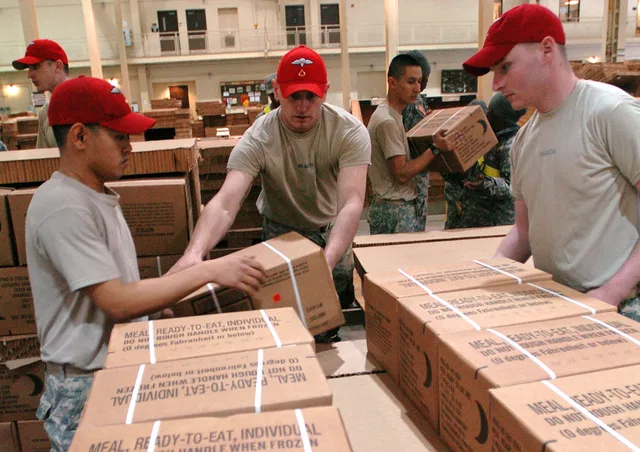
Meal Prep Subscription Box vs Pickup: Kitchen Fit
Meal prep subscription box vs pickup: compare handoffs, cold-chain demands, labor, and four kitchen-fit factors to choose a fulfillment model.

Desk
First-hand accounts of meal prep subscriptions, including the parts that did not go to plan.
Guides
Meal prep subscription box vs pickup: compare handoffs, cold-chain demands, labor, and four kitchen-fit factors to choose a fulfillment model.
Guides
Meal prep trends from USDA's food price outlook for beef, pork, poultry and eggs, and how to read them against your own costs, delivery radius and churn.
Guides
Meal prep food cost percentage is a per-recipe ratio of ingredient cost to menu price. See wholesale line items and batch-size effects without a spreadsheet.
Guides
Meal prep delivery driver Canada: Ontario's 4,500 kg CVOR trigger, plus worker classification, insurance, and tax checks before a first route.
Guides
US meal prep delivery driver compliance: FMCSA weight thresholds (49 CFR Parts 383, 390, 391, 395), USDOT number, driver files, California AB5 classification and FDA transport rules, checked before the first route.
Guides
Meal prep menu planning with a limited, rotating lineup reduces waste and keeps repeat orders coming. American regional tastes and portion sizes shape the menu.
Guides
Set meal prep order cutoff times backwards from cold hold using 41°F and four-hour limits, with Austin and Denver examples, time zones, records and labels.
Guides
Training a new meal prep employee with this checklist covers allergens, labeling, cold chain and delivery routes, with sign-off before they work a shift alone.
Guides
Why do meal prep subscriptions cancel? Operators see churn from hidden auto-renewals, rigid pause options, and quality drift in batch, portion, and storage.
Guides
Meal prep business operations in Austin: Texas cottage food eligibility, the sales cap, labeling rules, and the move to a permitted commercial kitchen.
Guides
Meal prep business operations in NYC cover Article 81 compliance, permits, certified supervisor coverage, kitchen capacity, fixed costs, and delivery zones.
Guides
Meal prep subscriptions swing hardest between Minneapolis winters and Phoenix summers, where menus, delivery and retention follow the thermometer.
Guides
Compare commissary kitchens, ghost kitchens, and transit sites on permits, utilities, cold chain, labor, and delivery reach when picking a meal prep location.
Guides
Meal prep startup capital follows the kitchen model: home, shared-use or leased space, then savings, an SBA microloan or a 7(a) loan sized to that choice.
Guides
Meal prep local SEO checklist: delivery radius and cold chain, the right primary category, consistent NAP, and reviews earned inside FTC rules.
Guides
Choosing meal prep suppliers starts with your menu, volume and delivery radius, then narrows to distributors that can actually serve your kitchen.
Guides
Meal prep software splits into ordering, production records and routing. Compare tools by job, list every cost line, and trial a shortlist on live orders.
Guides
Packaging decides reorders: portion format, container, label and packing slip each send a signal the subscriber reads before the first bite.
Guides
Set meal prep prices from your weekly ingredient box cost, then check them against a floor rate, a tier spread, and the profit margin each box leaves.
Guides
Meal prep expansion choices look different once rent, labor, cold chain, kitchen equipment and delivery radius are priced against the volume each one adds.
Guides
Meal prep hiring starts with defining kitchen roles, using consistent selection questions, previewing the shift, and staging onboarding by risk.
Guides
Meal prep site selection starts with the route: how far a chilled box can travel, what each extra minute costs, and which lease, insurance and permits fit.
Guides
Starting a meal prep business for 2027 means mastering commissary access, cold chain, subscription pricing and the weekly cost of every box you sell.