
Guides
Austin meal prep business operations: cottage food limits
Meal prep business operations in Austin: Texas cottage food eligibility, the sales cap, labeling rules, and the move to a permitted commercial kitchen.
What to take away
- Texas cottage food law caps direct-to-consumer sales at $50,000 per household per year and bans wholesale.
- A home kitchen cannot be permitted for cooked and chilled meal prep with meat, poultry or fish.
- Austin Public Health issues the food enterprise permit; the kitchen needs a three-compartment sink, handwashing sink and commercial refrigeration.
- Cottage food labels must state the product was made in a home kitchen not inspected by the state health department.
- A certified food manager must be on site during operating hours once you hold a commercial permit.
- Plan the permit at least three months before you expect to cross the cap, so service does not stop.
How Texas cottage food law treats an Austin home kitchen
For Austin meal prep business operations, the threshold question is whether each product qualifies under Texas cottage food law. The law is in Texas Health and Safety Code, Chapter 437, Subchapter A, “Cottage Food Production Operations.” It lets you make low-risk foods at home and sell them straight to the consumer. Baked goods, jams and dry mixes qualify. So do some refrigerated items that need no time-temperature control for safety.
Cooked and chilled meal prep with meat, poultry or raw sprouts does not qualify. That single line decides most Austin meal prep plans.
Where you sell is restricted too. Home, farmers markets and certain community events are allowed. Restaurants, grocery stores and delivery platforms that take title to the food are not.
Every sale must be face to face. Online ordering with local pickup works if the handoff happens in person.
Austin Public Health does not permit home kitchens for commercial meal prep. The state exemption preempts local permitting only for qualifying foods. Step outside it and a health department permit applies.
Check your recipes against the allowed food categories before you take an order. The Texas Department of State Health Services publishes the cottage food list, and your local health inspector can rule on borderline items. If chicken, beef or fish is in the box, you are already outside the exemption.
The $50,000 cap and the direct-to-consumer rule
Texas caps cottage food sales at $50,000 per household per year. The figure covers all cottage food sales, not just meal prep. Cross it and the exemption ends.
Cottage food sales cap
- $50,000annual sales cap per household
- $40,000planning trigger for permit process
The cap is per household, not per business entity. Splitting one household into several businesses does not multiply it.
The direct-to-consumer rule bites harder than owners expect. Selling to a grocery store or a restaurant is wholesale and violates the law. So is selling through a marketplace that resells your food.
Keep a sales log. Inspectors can ask for records showing you stayed under the cap. Date, product, quantity and amount in a spreadsheet is enough.
Treat $40,000 as your planning trigger. At that point the permit process should already be running.
Austin Public Health permits for a commercial kitchen
Outgrowing cottage food means a food enterprise permit from Austin Public Health. Start with Austin Public Health’s Food Enterprise Permit Application and submit the required plan review for the proposed site. The permit attaches to the location, not the business name.
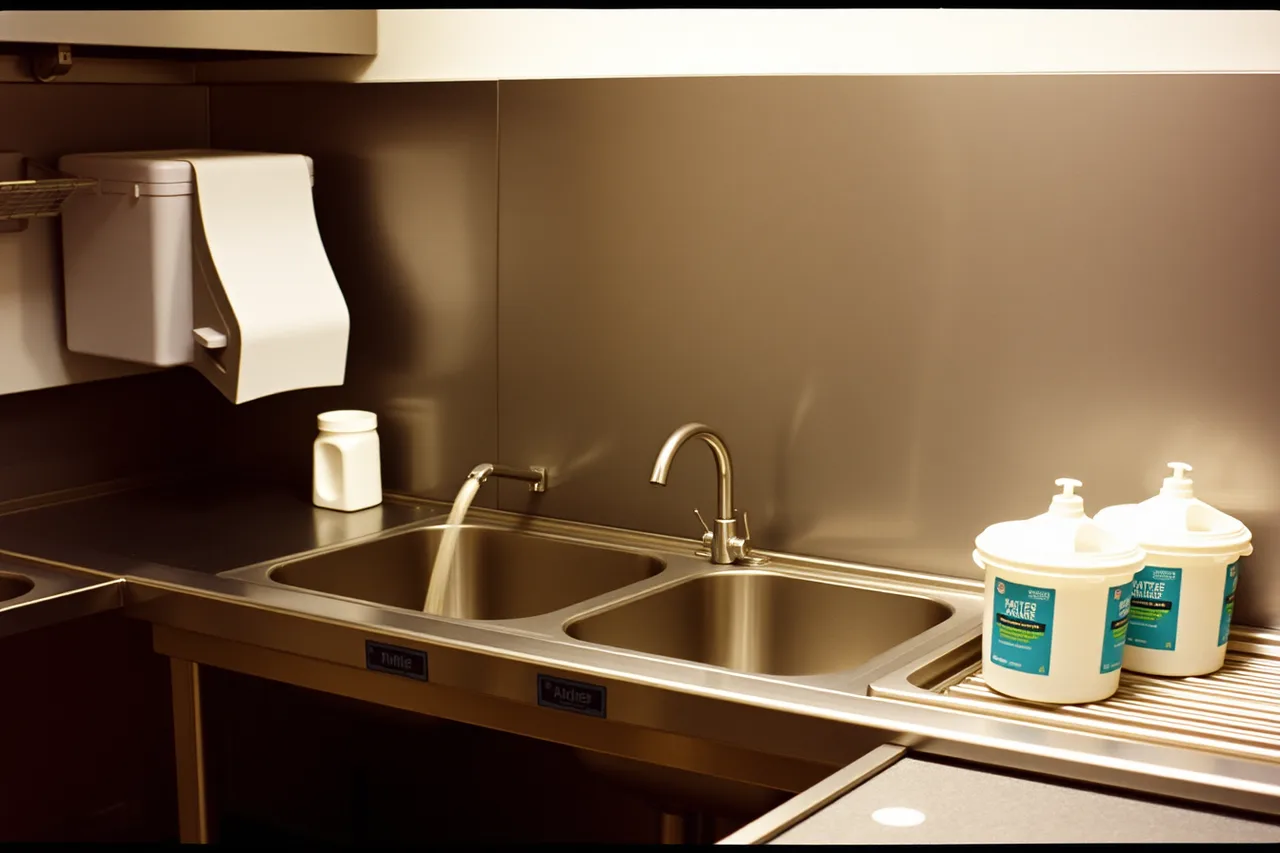
The kitchen needs a three-compartment sink, a handwashing sink, commercial refrigeration and surfaces that can be sanitized. Submit a plan review, check the current fee schedule, then pass an inspection before opening. The Austin Public Health fee schedule, effective October 1, 2025, states that operating permit fees are based on gross annual volume of food sales. Two to six weeks is typical.
Austin Public Health adopts the FDA Food Code 2022 as its food safety model. Cold holding at 41F or below, hot holding at 135F or above, and date marking on prepared foods all follow from that. Build the prep schedule around those temperatures rather than retrofitting it later.
You also need a Texas sales and use tax permit from the Texas Comptroller. The paper application is Form AP-201, Texas Application for Sales and Use Tax Permit; you can also apply online. Hiring staff brings employer tax registration. The USAGov small business portal walks through the federal and state registration steps.
For the full permit sequence before opening, see our guide to which permits a meal prep business needs for 2027.
The four triggers that end the cottage food exemption
Crossing $50,000 in a year ends it. There is no grace period. Finish orders already placed, take no new ones until the permit is in hand.
Exemption-ending triggers
- Crossing $50,000 in a year
- Adding food needing time-temperature control
- Selling through a retailer or reselling platform
- Bringing employees into the home kitchen
Adding a food that needs time-temperature control ends it, even under the cap. Cooked and chilled meals with meat, poultry or fish are the common case.
Selling through a retailer or a reselling delivery platform ends it. The direct-to-consumer requirement is not optional.
Bringing employees into the home kitchen can end it. The law assumes a home operation, and added staff can push you into commercial territory. Confirm with Austin Public Health before you hire.
Labels and certification at each stage
A cottage food label carries the product name, your name and address, and ingredients in descending order by weight. It must state: “This food is made in a home kitchen and is not inspected by the Department of State Health Services or a local health department.” Add the preparation date.
Cottage food sellers need a food handler card from an accredited provider. ServSafe is the common one, typically valid three years.
A commercial kitchen needs a certified food manager on site during operating hours, one per shift for most food enterprises. ServSafe Manager is a named certification option and is a higher certification than the food handler card.
Commercial labeling follows FDA and Texas rules. Nutrition labeling applies once you make a health claim, and allergen statements are required. Ready-to-eat food held longer than 24 hours gets date marked, with a log of preparation and discard dates.
Our meal prep compliance checklist lists the labeling and training items in order.
Operational changes during the kitchen transition
Home kitchen (cottage food)
- Permits and fees
- Food handler card only
- Facility
- Existing home kitchen
- Equipment
- Home equipment
- Insurance
- Home-based policy rider
- Certification
- Food handler card
- Inspection
- None
Commercial kitchen (permitted)
- Permits and fees
- Health permit and plan review, fee set by square footage and risk category
- Facility
- Monthly lease, or hourly shared kitchen
- Equipment
- Commercial refrigeration, sinks, shelving
- Insurance
- Commercial general liability and product liability
- Certification
- Certified food manager
- Inspection
- Health inspection before opening and on a recurring schedule
Austin commercial kitchen leases vary by neighborhood, square footage and whether the space is dedicated or shared. Hourly shared kitchens suit batch production; a dedicated space suits daily volume. Get three quotes and divide the monthly cost by your projected weekly box count before you sign.
Labor is the largest ongoing cost once you hire. The Fair Labor Standards Act sets minimum wage, overtime and recordkeeping rules, including time and a half past 40 hours in a workweek.
For capital, the Small Business Administration runs loan programs and SCORE mentoring, and Austin has an SBDC office that will review a business plan.
Running the transition without losing subscribers
Start the permit process three months before you expect to hit the cap. Plan review and inspection take time, and a service gap costs subscribers you already paid to acquire.
- Track sales weekly and project the week you cross $50,000.
- Contact Austin shared kitchens and incubators to compare permitted food use, cold storage, access hours, and whether hourly or dedicated space fits your production schedule; request current quotes.
- Submit the plan review to Austin Public Health and pay the fee.
- Obtain the certified food manager credential and reprint labels to commercial standard.
- Pass the inspection before accepting new orders.
- Email subscribers the transition date, the menu changes and any price adjustment.
Use the waiting period to rebuild the prep schedule around the new cold chain. A permitted kitchen opens wholesale accounts, retail shelves and hiring. That is meal prep expansion in practice, and it carries a cost base the home kitchen never had.
Frame the move to subscribers as a licensing step, not a disruption. A loyalty credit for staying through the transition costs less than replacing them.
If you are still in planning, our guide on how to start a meal prep business covers the first ninety days. For the permit and inspection sequence in detail, see the meal prep licensing guide.
Common questions
Can I sell meal prep from my Austin home kitchen?
Only if the food qualifies under Texas cottage food law and you sell directly to consumers. Cooked meals with meat or poultry do not qualify. Those need a permitted commercial kitchen.
What is the sales limit for Texas cottage food?
$50,000 per household per year, covering all cottage food sales. Cross it and you must stop selling under the exemption until a health department permit is issued.
How long does an Austin Public Health permit take?
Plan review and inspection typically run two to six weeks. Apply early enough that you are not turning away orders while you wait. The USAGov start a business guide covers the registration steps that run alongside it.
Can I hire employees in my home kitchen?
Hiring can void the cottage food exemption, because the law assumes a home operation. Confirm with Austin Public Health before you bring on help.