Guides
Meal Prep Business Operations in NYC
Meal prep business operations in NYC cover Article 81 compliance, permits, certified supervisor coverage, kitchen capacity, fixed costs, and delivery zones.
What to take away
- Meal prep business operations in New York City require a Food Service Establishment permit and a certified supervisor on site while the establishment is operating.
- The supervisor is a person, not a certificate on the wall. If they leave, you are out of compliance that day.
- Kitchen rent is the largest fixed cost, and in Manhattan and prime Brooklyn it can reach five figures monthly.
- Fixed cost divided by meals sold is the number that sets your subscription price. Rent does not shrink when orders do.
- Delivery in a walk-up city costs minutes, not miles. Pickup is your highest-margin fulfillment option.
How NYC Department of Health rules apply to a meal prep kitchen
A meal prep kitchen in New York City is a food service establishment. The Department of Health and Mental Hygiene enforces that classification through its Bureau of Food Safety and Community Sanitation.
Cook, portion, package and sell meals to consumers, and you are in scope. No cottage food exemption covers a prepared meal subscription delivered across the city.
For NYC food-service compliance, operators must follow Article 81 of the NYC Health Code. Inspection categories include temperature control, cold holding, date marking, handwashing, and pest control.
Portioning into containers instead of plating buys you nothing at inspection.
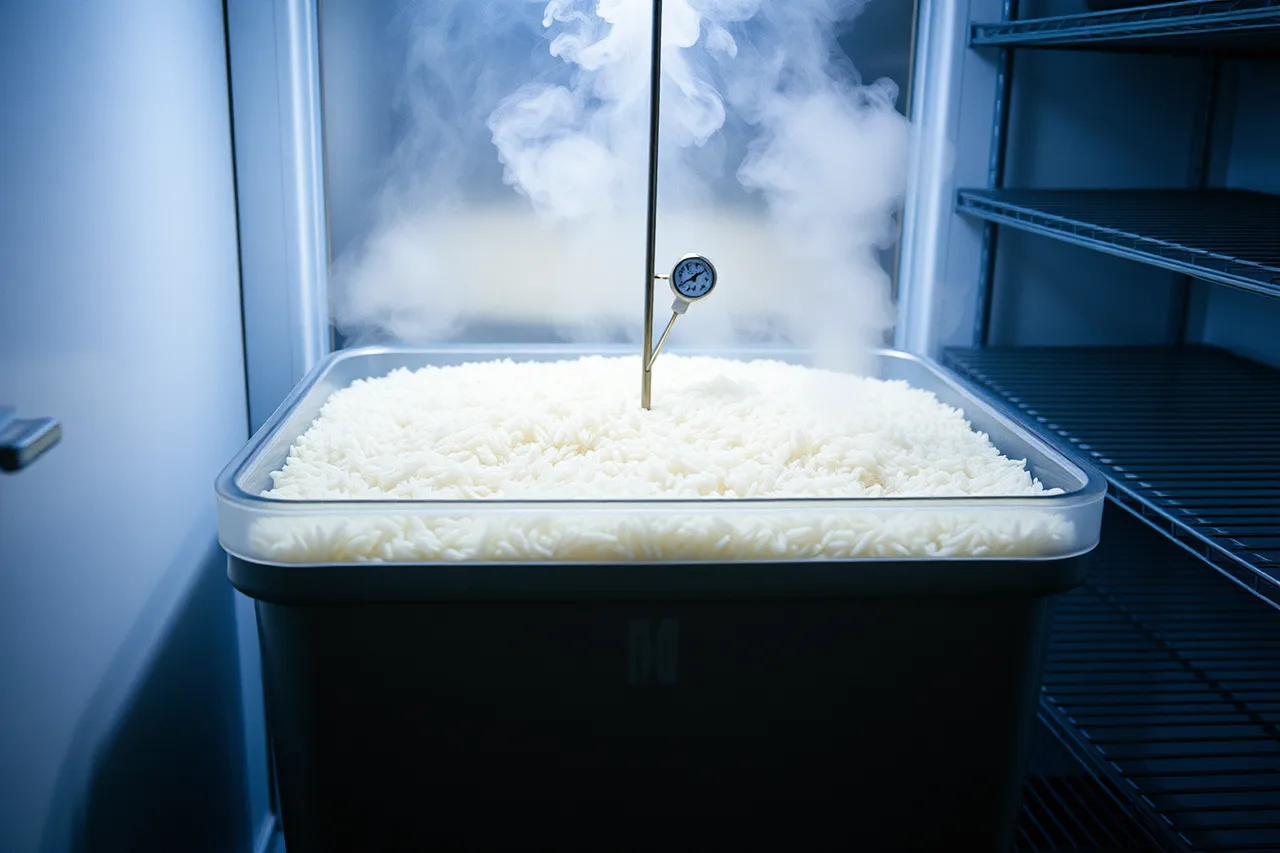
The real difference is volume. Batch cooking means holding large quantities of cooked protein and grains at once, and inspectors look hard at cooling curves. Cooling a 40-quart batch of rice in a walk-in is where most violations start.
If you are still mapping the filing sequence, our guide to the permits and rules behind a legal meal prep walks through the order of applications.
What inspectors actually check
Expect unannounced visits at least once a year, and sooner after a complaint. Three items sink meal prep kitchens most often: improper cold holding, missing date labels on prepared containers, and an expired supervisor certificate on site during operating hours. Fix those three and your letter grade holds.
Food-handling permits and the supervisor certificate requirement
The permit is a Food Service Establishment permit issued by the NYC Department of Health. The permit fee for most food service establishments in New York City is $280 (Food Service Establishment permit fee). You apply through the department's online portal and pass an inspection before or shortly after opening. The permit is tied to one address, so moving kitchens means a new filing.
Separately, the NYC Health Code requires at least one supervisor certified in food protection on site whenever a food service establishment is operating (NYC's on-site supervisor rule). That is a person, not a document. They must hold a valid food protection certificate from an approved course, and it must be available for inspection.
Treating the certificate as a one-time purchase is a common mistake. It expires, and the holder has to recertify. If your only certified supervisor quits, you are out of compliance the day they leave, even with a current permit on the wall.
Every food handler who touches exposed food needs at least a food handler card, not just the supervisor. In practice your whole prep crew carries documentation, and you keep copies where an inspector can see them.
- Food Service Establishment permit posted at the kitchen address
- Certified Food Protection Supervisor on site during all prep hours
- Supervisor certificate unexpired and physically available
- Food handler cards for every employee touching exposed food
- Written cooling and date-marking logs kept current
- Handwashing sinks stocked and accessible, not blocked by carts
- Pest control records from a licensed contractor on file
Our meal prep compliance checklist breaks each item down with the reason behind it.
The cost of getting this wrong
A failed inspection can mean a re-inspection fee, a lower letter grade posted publicly, and in serious cases a closure order that stops all revenue. For a subscription business a closure is worse than for a restaurant: you have prepaid customers expecting deliveries and no way to fulfill them.
ServSafe and approved food protection course options in New York
New York City accepts the food protection certificate from courses the department approves. The best known is ServSafe, the food safety program run by the National Restaurant Association. ServSafe Manager satisfies the supervisor requirement in most New York settings, and the exam is proctored.
The NYC Department of Health also runs its own food protection course, online and in person, and that certificate is accepted for the supervisor role. The Food Protection Course fee is $114, separate from the permit application fee. Many operators take the city course because it is inexpensive and the scheduling is flexible.
ServSafe Manager is sold by private providers, so its cost varies with the course format and the proctored exam. The real cost either way is time: a manager course runs about a full day of instruction plus study, and the certificate renews on a cycle, so budget for repeat training every few years.
For a small team, the cheapest structure is usually two certified supervisors rather than one. That covers vacations, sick days and turnover without shutting down prep.
Which course to pick
With a restaurant background, ServSafe Manager is the portable credential and employers recognize it. Opening your first kitchen solo, the city food protection course is the lower-friction path. Either satisfies the requirement. Neither replaces the permit.
Rent and space costs for NYC meal prep kitchens
This is where New York separates itself from almost every other American market. Commercial kitchen space in the boroughs is scarce, and the tenants competing for it include restaurants, caterers, ghost kitchen operators and bakeries. A licensed commissary or production kitchen with proper ventilation, floor drains, three-compartment sinks and grease interceptor capacity does not come cheap.
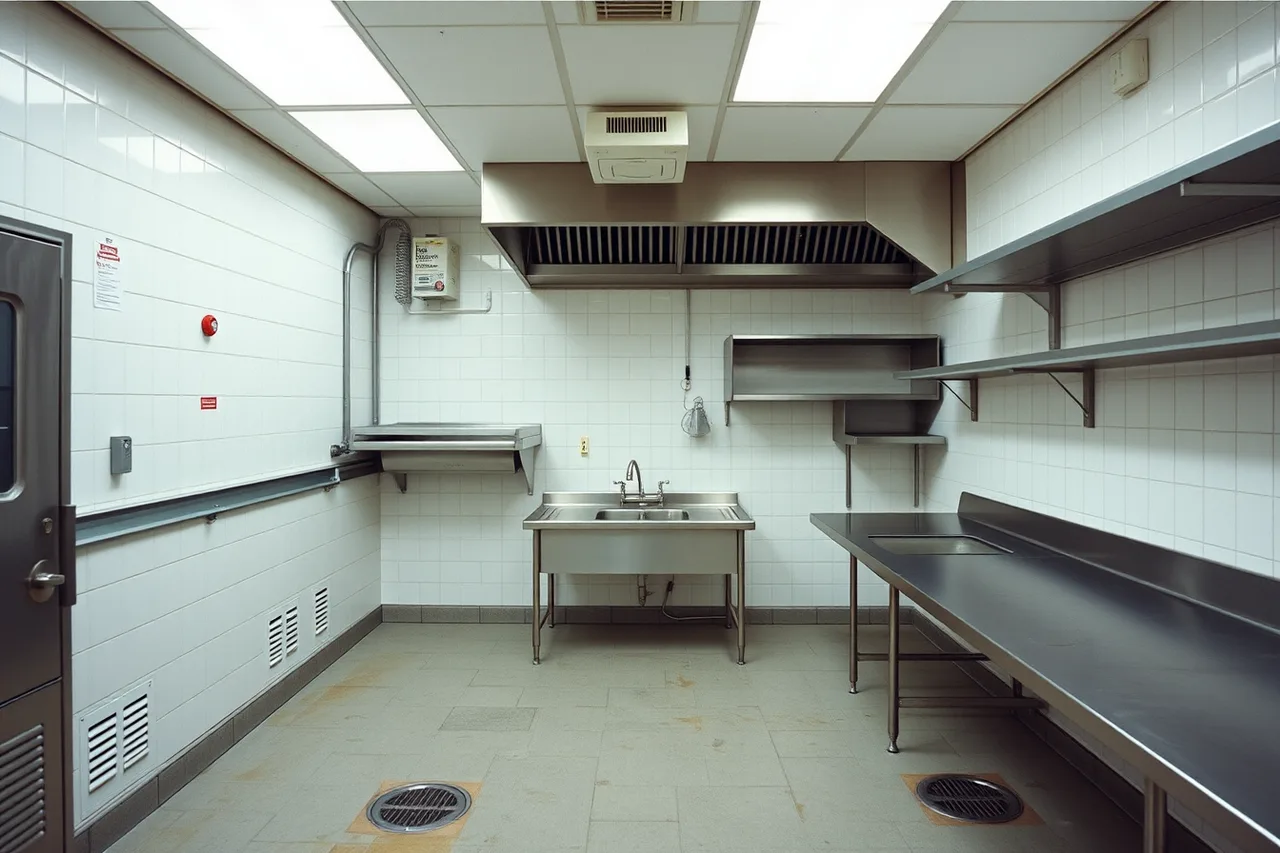
Rent is usually the largest fixed cost in the model. In Manhattan and parts of Brooklyn and Queens, a small production kitchen can run into five figures per month. Outer-borough industrial pockets in the Bronx, Sunset Park, Maspeth and Long Island City are cheaper, but you trade transit time and sometimes delivery reach.
A second layer catches new operators: many NYC kitchens are not available as a plain lease. You rent time in a shared commissary, paying by the hour or by the shift. That lowers the entry cost and raises the per-unit cost, because you are paying someone else's overhead margin.
Utilities, grease hauling, pest control, hood cleaning and liability insurance all sit on top of base rent. In a dense building, hood cleaning and grease service run on mandatory schedules, not on your convenience. Our breakdown of meal prep lease costs covers the line items landlords rarely mention up front.
How rent flows into subscription pricing
Suppose your kitchen, utilities and shared services cost $9,000 a month, and you can produce 6,000 meals a month at capacity. Fixed cost per meal is $1.50 before food, labor or packaging.
Sell only 3,000 meals and that same fixed cost is $3.00 per meal. Rent does not care how full your order book is.
Use the fixed-cost-per-meal calculation to see how lower volume increases the amount each meal must recover.
Delivery zones, walk-ups, and the true cost of last-mile drops
New York delivery is not a van route through suburban cul-de-sacs. It is double-parked vehicles, loading zone tickets, and buildings where the elevator is broken and the customer is on a fifth-floor walk-up. Every one of those adds minutes, and minutes are the only unit of delivery cost that matters.
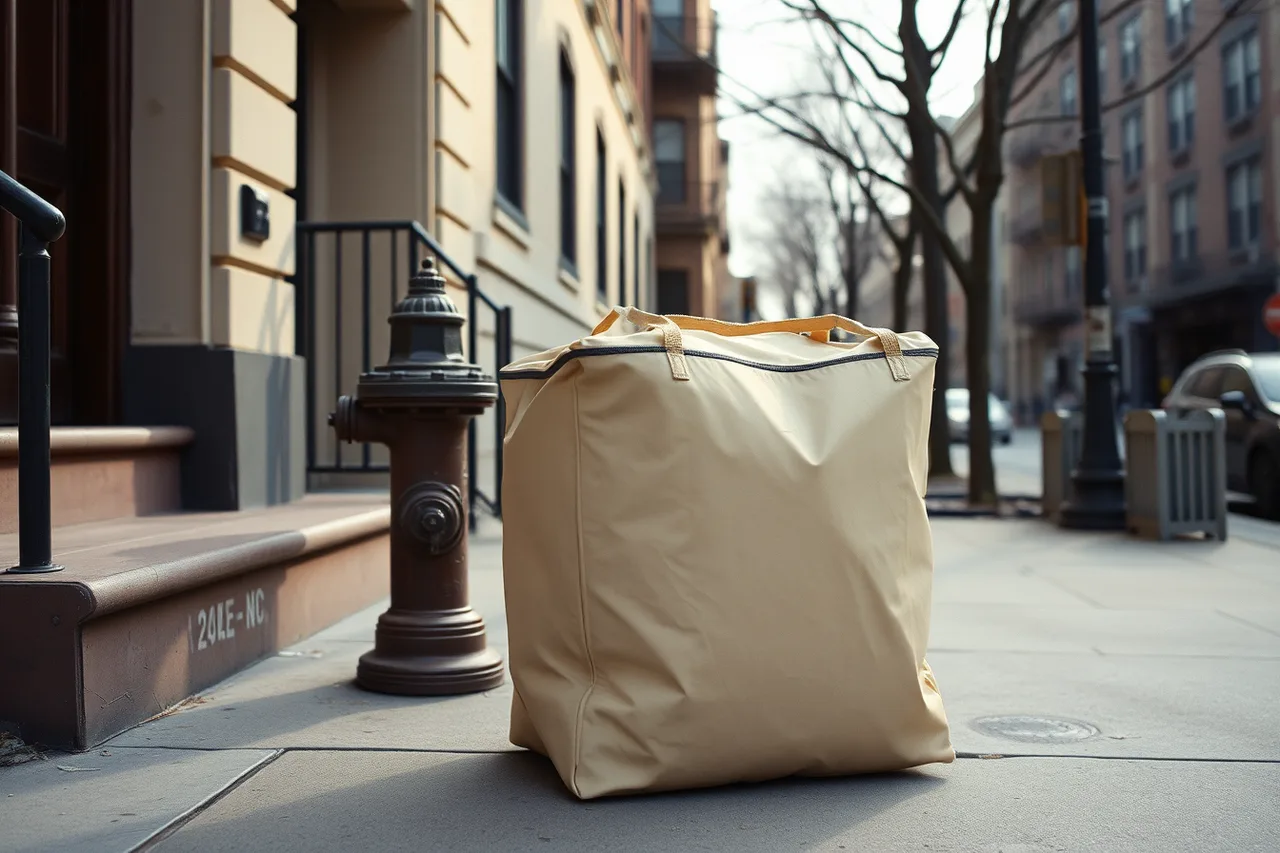
A driver who completes 25 suburban drops in a shift may complete 10 to 15 in Manhattan. Parking tickets are a budget line, not an anomaly. Congestion pricing and metered zones add to the per-drop cost during peak hours.
Cold chain makes it harder. Meal prep deliveries are temperature-sensitive, so you cannot leave a bag in a lobby for hours in July. That pushes you toward tight delivery windows, which pushes you toward more drivers per route, which pushes cost up again.
Practical levers: cluster subscribers by building and by ZIP code, set minimum order values, charge a delivery fee that reflects the real per-drop cost, and offer pickup at the kitchen for a discount. Pickup is the single highest-margin fulfillment option you have.
Your subscription competes against every other dollar a household spends on food away from home. Our location strategy guide covers how to pick a kitchen site that shortens those routes.
Zone design that protects margin
Draw zones by drive time, not by distance. A zone that takes 40 minutes in traffic is unprofitable even at four miles. Cap each zone at the number of drops your driver can finish inside the cold-holding window.
What changes when you scale past a single kitchen
One kitchen has one permit, one address and one inspection schedule. Two kitchens double all of that. New York does not let you treat a second site as an extension of the first; each food service establishment needs its own permit and its own certified supervisor coverage.
Labor rules tighten as headcount grows. Once you pay hourly prep staff, the Wages and the Fair Labor Standards Act | U.S. Department of Labor governs minimum wage, overtime and recordkeeping, and New York's own wage and hour rules sit on top of it.
Misclassifying prep workers as contractors is one of the most expensive errors a growing meal prep business makes.
In New York, that also means workers' compensation and disability benefits coverage for every employee, enforced by the New York State Workers' Compensation Board. Running a kitchen without that coverage is an uninsured-liability problem, not a paperwork problem, and it travels with you to the second site.
Workplace safety obligations scale too. Commercial kitchens carry burn, cut, slip and chemical hazards, and Laws and Regulations | Occupational Safety and Health Administration apply to your operation just as they do to a restaurant.
For inspections, training or complaint response, the OSHA Offices by State | Occupational Safety and Health Administration directory lists the New York contacts.
A second kitchen usually means a commissary model rather than a second retail lease: one licensed production hub, satellite pickup points, and delivery routes radiating outward. That structure keeps permit costs and supervisor headcount manageable while extending reach.
A scaling checklist
- Confirm the new address can obtain a Food Service Establishment permit before signing.
- File the permit application and schedule the pre-opening inspection.
- Certify at least one supervisor per site, plus a backup.
- Register the new entity or location with the New York State Department of Taxation and Finance for sales tax and with the New York State Department of Labor for unemployment insurance.
- Rewrite delivery zones around the new kitchen's drive times.
- Set a volume threshold that justifies the added fixed cost before you commit.
If you are weighing a first or second location, our guide to which permits a meal prep business needs before opening lays out the filing order so nothing is missed.
Common questions
Do I need a NYC Department of Health permit to sell meal prep subscriptions from my home?
Yes, if you prepare and sell meals to consumers in New York City. The city does not offer a cottage food exemption broad enough to cover a prepared meal subscription, so a Food Service Establishment permit and a certified supervisor apply. Confirm your specific address and operation with the Department of Health before you file.
Is ServSafe the only accepted food protection course in New York?
No. New York City also accepts its own food protection course certificate for the supervisor requirement. ServSafe Manager, run by the National Restaurant Association, is widely accepted and portable, which makes it useful if staff move between operators.
How much does commercial kitchen rent cost in New York City?
It varies widely by borough and by whether you lease a dedicated space or rent shifts in a shared commissary. Manhattan and prime Brooklyn space can reach five figures monthly, while outer-borough industrial areas and hourly commissary arrangements cost less per month but more per meal.
Can I deliver meal prep across all five boroughs from one kitchen?
Technically yes, but the drive times make it unprofitable. Most operators cap delivery zones to what a driver can complete inside the cold-holding window, and treat outer zones as pickup points rather than delivery routes.
What happens if my only certified supervisor leaves?
You are out of compliance immediately, even with a valid permit. Keep at least two certified supervisors on staff so prep can continue through turnover, vacation and sick days without a shutdown.